


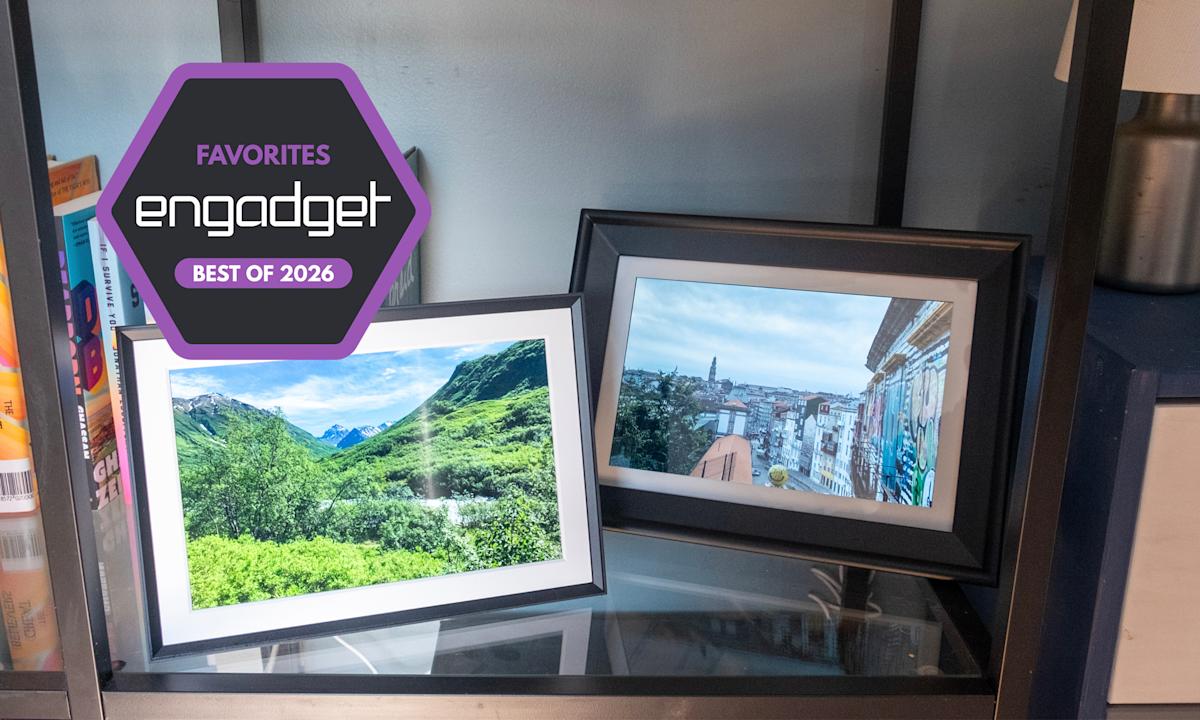
The photograph’s second life: how screens are replacing albums without sacrificing sentiment.
The photograph migrated. From silver halide crystals to silicon pixels, from leather-bound albums to cloud storage, from mantelpiece display to smartphone scroll. The digital frame represents attempted reconciliation: technology’s convenience married to physical presence, infinite collection curated for ambient consumption .
The 2026 market offers sophisticated options beyond early generations’ pixelated disappointment. These devices display high-resolution imagery, integrate streaming services, respond to voice and gesture, and blend with domestic architecture. Selection requires balancing image quality, connectivity, ease of use, and aesthetic integration.
The Premium Choice: Aura Mason Luxe
Aura’s flagship frame justifies premium positioning through uncompromising display and seamless experience. The 9.7-inch Quad HD screen (2048 x 1536) renders photographs with print-like clarity, while True View technology adjusts color temperature and brightness to ambient conditions—warm evening glow, crisp morning clarity .
Intelligence distinguishes the Luxe. The frame recognizes image content, automatically adjusting orientation, cropping, and display duration based on perceived significance. Facial recognition prioritizes people; scene analysis highlights landscapes and events. Users need not manually curate; the frame learns preference patterns from interaction .
Sharing infrastructure is Aura’s core competence. The proprietary app enables instant photo sending from any location; recipients’ frames display images seconds after capture. The private network excludes social media’s performance pressure—images shared are seen only by intended recipients, creating intimate communication channel distinct from public posting .
Limitation: Premium pricing ($399) and subscription requirements for advanced features ($8/month) restrict accessibility.
The Versatile Contender: Samsung Frame TV
Samsung’s hybrid television transcends category definition. The 2026 iteration offers 4K QLED display (43-85 inches) that disappears into wall décor when inactive—Art Mode displaying personal photographs or licensed museum collections with matte finish mimicking canvas texture .
Scale enables immersion. Family photographs approach life size; travel landscapes become window-like apertures. The ambient light sensor and color calibration maintain illusion across varying conditions .
Smart home integration is comprehensive: voice control via Bixby/Alexa/Google, automated scheduling (family photos mornings, art evenings, off overnight), energy optimization reducing consumption 30% versus standard television .
Limitation: Television-first design means complexity exceeding dedicated frames; setup requires technical confidence; price ($999-$4,499) positions as furniture investment rather than accessory purchase.
The Accessible Standard: Nixplay Smart Photo Frame
Nixplay’s 2026 line balances capability and affordability. The 10.1-inch HD display (1280 x 800) lacks premium resolution but delivers satisfactory image quality for typical viewing distances. IPS technology maintains color accuracy at angles—important for frames positioned in shared spaces .
Cloud integration distinguishes Nixplay: Google Photos, Dropbox, Facebook, Instagram synchronization enables automatic population from existing digital archives. The “Playlists” feature organizes images by date, location, or custom tagging, creating narrative sequences without manual curation .
Motion sensor activates display on approach, conserving energy and surprising delight—empty wall becoming illuminated memory as someone enters room .
Price ($179-$249) and absence of subscription requirements democratize access.
Limitation: Build quality and display technology lag premium competitors; software interface less refined; customer support variable .
The Minimalist Option: Meural Canvas III
Netgear’s Meural targets design-conscious consumers prioritizing aesthetic integration over technical specification. The 27-inch matte display mimics framed art print—wood or metal surrounds, anti-glare surface, subtle texture suggesting canvas rather than screen .
Gesture control (hand wave for next image) eliminates visible interface elements; the frame appears purely decorative until interaction reveals digital capability. The orientation-agnostic design (portrait/landscape automatic detection) suits photographic variety .
Art subscription service ($70/year) provides access to 30,000+ licensed works—museum collections, contemporary photography, classic paintings—rotating automatically or curated to taste. For users without extensive personal archives, this content abundance compensates .
Limitation: Smaller display (13.5-inch alternative available); premium pricing ($599) for moderate technical specifications; proprietary content ecosystem limits flexibility.
The Emerging Category: AI-Enhanced Frames
2026 introduces frames with generative capability:
Raspberry Pi-based DIY solutions enable local AI image generation—text prompts creating custom artwork displayed immediately. Enthusiasts build infinite, personalized content streams without subscription or network dependency .
Commercial products (Lenovo Smart Frame AI, preliminary release) promise style transfer—photographs rendered as impressionist paintings, anime illustrations, architectural drawings—and generative expansion (AI extending image boundaries beyond original capture) .
Ethical and legal complexity accompanies: training data copyright, authenticity of “memories”, family consent for AI-modified imagery. Early adoption suits technically adventurous users comfortable with experimentation .
Selection Framework
| Priority | Recommended Frame | Rationale |
|---|---|---|
| Image quality paramount | Aura Mason Luxe | Superior display technology, intelligent curation |
| Scale and integration | Samsung Frame TV | Architectural presence, smart home ecosystem |
| Value and accessibility | Nixplay Smart | Affordable, cloud-connected, no subscription |
| Aesthetic minimalism | Meural Canvas III | Design-forward, gesture-controlled, art subscription |
| Technical experimentation | AI-enhanced DIY | Generative capability, infinite customization |
The Deeper Question
Digital frames address genuine problem: photographic abundance exceeding attention and display capacity. The average smartphone contains 10,000+ images; less than 1% receive second viewing. Digital frames promise rediscovery, ambient presence, shared experience .
Yet they risk new form of neglect: images displayed so continuously they become invisible, wallpaper, unnoticed background. The scarcity of physical prints—carefully selected, deliberately placed, occasionally viewed—created attention and significance. Digital abundance may produce habituation and disregard .
The best frame, ultimately, is not technical specification but curatorial discipline: intentional selection, thoughtful sequencing, periodic refresh, attentive viewing. The technology enables; human judgment determines whether the second life of photographs enriches memory or merely fills space.
Digital Frame Comparison 2026
| Model | Display | Key Feature | Price |
|---|---|---|---|
| Aura Mason Luxe | 9.7″ Quad HD | Intelligent curation, private sharing | $399 + subscription |
| Samsung Frame TV | 43-85″ 4K QLED | Art Mode, smart home integration | $999-$4,499 |
| Nixplay Smart | 10.1″ HD | Cloud sync, motion activation | $179-$249 |
| Meural Canvas III | 27″ matte | Gesture control, art subscription | $599 |
| AI-Enhanced (DIY/Early) | Varies | Generative content, style transfer | $200-$800 |

