
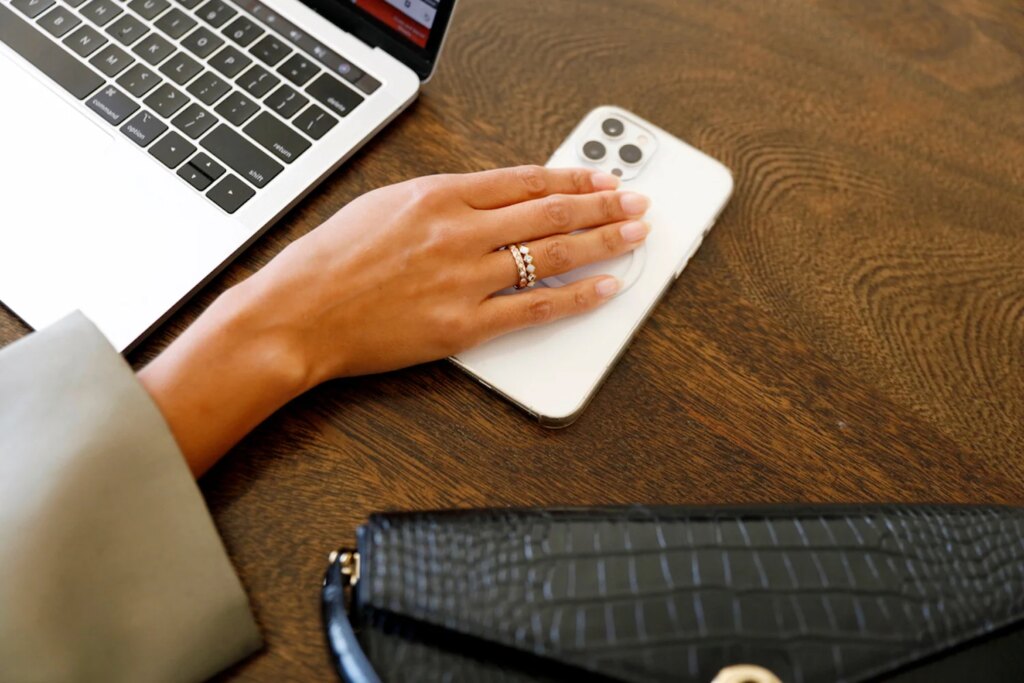
The architecture of keratin: understanding what nails actually need versus what the beauty industry sells.
Nails are not decorative surfaces. They are physiological structures—modified epidermis composed of layered keratin, growing from the matrix beneath the proximal nail fold at approximately 3-4 millimeters monthly. Their condition reflects systemic health: thyroid dysfunction, iron deficiency, circulatory compromise, and autoimmune disorders manifest visibly in nail changes long before other symptoms emerge .
Yet the beauty industry approaches nails cosmetically. Polishes, extensions, and elaborate treatments prioritize immediate appearance over structural integrity. The result is widespread damage: brittle, peeling, discolored nails that require not more decoration but fundamental rehabilitation.
This guide addresses repair, strengthening, and maintenance through evidence-based practice rather than marketing mythology.
The Anatomy of Damage
Understanding nail structure explains treatment. The nail plate—the visible portion—consists of keratinized cells arranged in layers, bonded by natural lipids and moisture. Damage occurs through:
-
Physical trauma: aggressive filing, cuticle cutting, picking, artificial nail removal
-
**Chemical exposure: **acetone removers, harsh detergents, frequent wet-dry cycling
-
Biological insult: fungal infection, psoriasis, nutritional deficiency
-
Environmental stress: low humidity, extreme temperatures, UV exposure
The nail matrix—the growth factory hidden beneath the cuticle—determines ultimate nail quality. Matrix damage produces permanent abnormalities; protecting this region is paramount .
Phase One: Repair (Weeks 1-4)
Eliminate mechanical stress. Remove artificial nails immediately if present; they create micro-trauma and fungal risk. Cease all picking, peeling, and aggressive manipulation. Trim nails short—square with rounded corners—to reduce leverage that causes splitting .
Implement protective barriers. Apply nail strengthener containing formaldehyde resin (e.g., Nailtiques, OPI Nail Envy) twice daily for initial weeks. These products cross-link keratin proteins, creating temporary scaffold while natural repair proceeds. Discontinue after 4-6 weeks to avoid brittleness from over-hardening .
Moisture restoration. Nails are 18% water by weight; dehydration causes brittleness. Apply jojoba oil or specialized nail oil containing vitamin E and essential fatty acids to nail plate and surrounding skin thrice daily. Jojoba’s molecular similarity to human sebum enables penetration; mineral oil and petroleum jelly merely coat .
Cuticle management. The cuticle is nail’s natural waterproof seal; cutting it invites infection and matrix damage. Instead, gently push back after showering when softened, using rubber-tipped tool or orange stick. Never cut; never allow manicurists to cut .
Phase Two: Strengthening (Weeks 4-12)
Nutritional support. Nails require biotin (vitamin B7), iron, zinc, and adequate protein for optimal synthesis. Research supports 2.5mg biotin daily for nail quality improvement; effects visible after 4-6 months of consistent supplementation. Iron deficiency—common in menstruating women—produces characteristic spoon-shaped nails (koilonychia); supplementation requires medical confirmation of deficiency .
Protective habits. Wear cotton-lined rubber gloves for wet work—dishes, cleaning, gardening. The cotton absorbs sweat; the rubber prevents water infiltration that swells and weakens keratin. Apply hand cream immediately after glove removal .
Filing technique. Use 180-grit or finer emery board in one direction only—sawing motions create heat and micro-fractures. File when dry; wet nails are vulnerable. Shape to mirror fingertip contour, maintaining free edge length equal to nail bed width for structural stability .
Polish protocol. If color desired, use 5-free or 9-free formulations (free of formaldehyde, toluene, DBP, formaldehyde resin, camphor, and additional concerning chemicals). Apply base coat to prevent staining; limit polish duration to 5-7 days before removal and “nail holiday.” Acetone-free removers reduce dehydration but require longer soaking .
Phase Three: Maintenance (Ongoing)
Hydration as religion. Continue oil application—morning, post-washing, before bed. The nail bed and surrounding skin require moisture more than the plate itself; healthy cuticles and lateral nail folds support plate integrity .
Regular assessment. Inspect nails weekly for changes: color variation (white spots, yellowing, dark streaks), texture changes (pitting, ridging, thinning), shape alterations (clubbing, spooning). These indicate systemic issues requiring medical evaluation, not cosmetic intervention .
Seasonal adjustment. Winter demands intensified moisture—humidifiers, heavier creams, protective gloves. Summer requires UV protection (nail polish provides this; bare nails need sunscreen on hands) and post-swim hydration to counter chlorinated/salt water desiccation .
The Mythology to Abandon
“Breathe” is biological nonsense. Nails are dead tissue; they respire neither oxygen nor moisture. The “nail holiday” from polish serves to inspect condition and prevent staining, not to restore fictitious vitality .
Garlic, gelatin, and topical calcium are ineffective. These folk remedies lack structural basis—nails require nutrients delivered systemically through blood, not superficial application. The only evidence-supported topical intervention is keratin-strengthening polymers and moisture .
Harder is not always better. Excessively rigid nails snap under stress; optimal nails possess flexibility with resilience. Avoid prolonged formaldehyde use; balance strengthening with conditioning .
When to Seek Medical Care
Certain nail changes indicate pathology requiring diagnosis:
-
Dark longitudinal streaks (possible melanoma, particularly in darker skin tones)
-
Pitting and oil-drop discoloration (psoriasis)
-
Thickening, yellowing, separation from bed (onychomycosis—fungal infection)
-
Clubbing (chronic hypoxia, cardiovascular or pulmonary disease)
-
Spoon-shaped concavity (iron deficiency, hemochromatosis)
Dermatologists and podiatrists possess specialized training; general practitioners often dismiss nail concerns. Persistent abnormalities warrant specialist evaluation.
The Long View
Nail improvement requires 4-6 months—the duration of complete nail plate replacement from matrix to free edge. Patience is essential; interventions producing immediate visible results typically damage long-term integrity.
The goal is not perpetual polish perfection but structural health that permits aesthetic choice. Healthy nails may be bare or decorated, short or moderately long, natural or subtly enhanced—but they are fundamentally sound, resilient, and responsive to care rather than dependent upon concealment.
The beauty industry profits from insecurity; informed self-care liberates from this cycle. The well-maintained nail—smooth, uniformly colored, firmly attached, with intact cuticle seal—is advertisement enough.
Nail Care Protocol at a Glance
| Phase | Duration | Key Interventions |
|---|---|---|
| Repair | Weeks 1-4 | Remove artificial nails, apply strengthener, intensive oiling, gentle cuticle pushing |
| Strengthening | Weeks 4-12 | Biotin supplementation, protective gloves, proper filing, quality polish |
| Maintenance | Ongoing | Continuous hydration, weekly assessment, seasonal adjustment, medical vigilance |