


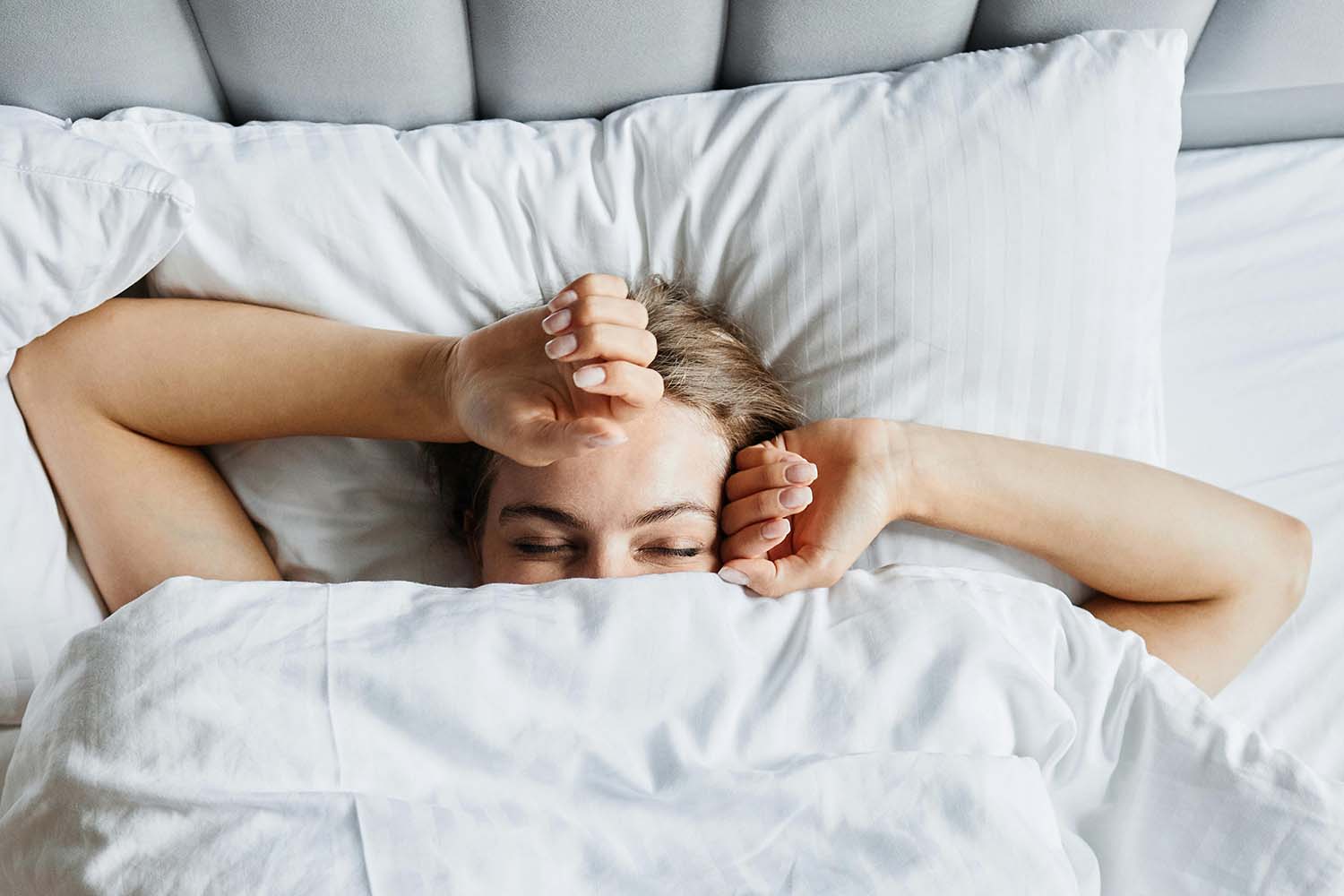
A nocturnal journey through the pharmacy of dreams, where science meets the sandman.
Sleep is the original biohack. Long before Silicon Valley discovered magnesium l-threonate and wellness influencers began touting CBD tinctures, humanity wrestled with the same fundamental problem: how to reliably lose consciousness for eight hours and wake restored. The average adult will spend 26 years of their life attempting this feat—yet for millions, it remains infuriatingly elusive.
The modern sleep aid market offers a pharmacopeia of promises: botanicals with Latin names, minerals mined from ancient seabeds, amino acids extracted from tea leaves. But beneath the marketing poetry lies a more prosaic truth—some of these supplements work, some don’t, and a few might actually harm you.
We examined seven of the most prominent contenders, from the trendy (CBD) to the essential (zinc), evaluating not marketing claims but peer-reviewed evidence. What follows is neither prescriptive medical advice nor wellness gospel, but a field guide to the landscape of modern sleep supplementation.
1. CBD: The Cannabis Conundrum
The Promise: A non-intoxicating compound from cannabis that quiets racing minds and shortens sleep latency.
The Reality: More nuanced than the wellness industry suggests.
Cannabidiol operates through mechanisms that remain partially opaque to science. Unlike its infamous cousin THC, CBD does not bind directly to CB1 receptors; instead, it appears to modulate anxiety pathways and pain perception—conditions that frequently masquerade as insomnia.
A 2024 comparative study delivered genuinely interesting findings: low-dose CBD improved sleep quality with safety profiles matching 5mg melatonin, suggesting comparable efficacy without the hormonal concerns. Another crossover trial demonstrated that 160mg doses extended total sleep time in subjects with documented insomnia.
Yet the literature remains frustratingly heterogeneous. A comprehensive 2023 review of 34 CBD insomnia studies found that while all showed some participants experiencing symptom improvement, the effect sizes varied wildly, and optimal dosing remains more art than science.
The Verdict: Promising but premature. CBD appears most effective for those whose sleep disruption stems from anxiety or chronic pain rather than primary insomnia. The regulatory wild west of CBD products—where a 2017 study found significant variability in actual melatonin content and even contamination with serotonin—demands extreme selectivity in sourcing.
Dosage: 25-160mg, ideally 1-2 hours before bed. Start low.
2. Melatonin: The Hormonal Timekeeper
The Promise: Reset your circadian rhythm with the body’s own chemical signal for darkness.
The Reality: Extraordinarily effective for specific problems, potentially counterproductive for others.
Melatonin is not a sedative—it is a chronobiotic. Secreted by the pineal gland in response to dim light, it signals the suprachiasmatic nucleus that night has fallen. For jet lag, shift work disorder, or delayed sleep phase syndrome, melatonin demonstrates robust efficacy, reducing sleep latency by approximately nine minutes at 2mg doses.
The American Academy of Sleep Medicine, however, does not recommend melatonin for chronic insomnia. Its utility lies in timing disorders, not sleep maintenance. Moreover, the supplement industry has created a paradox: Americans consume melatonin at doses (3-10mg) vastly exceeding physiological requirements, potentially desensitizing receptors and disrupting endogenous production.
The Verdict: Indispensable for circadian realignment; questionable as a nightly sleep aid. The “more is better” approach is pharmacologically indefensible.
Dosage: 0.5-2mg for circadian issues; 1.9mg when combined with magnesium.
3. Magnesium: The Relaxation Mineral
The Promise: Nature’s muscle relaxant and GABA agonist, calming both body and mind.
The Reality: The most scientifically grounded mineral for sleep, particularly for the deficient.
Magnesium participates in over 300 enzymatic reactions, but its sleep mechanisms are specific: NMDA receptor blockade reducing neuronal excitability, GABA activation promoting inhibitory neurotransmission, and cortisol modulation lowering stress hormones. A 2022 CARDIA study established clear correlations between magnesium intake and sleep quality metrics.
The critical caveat: magnesium supplementation appears most beneficial for those with subclinical deficiencies—estimated at nearly 40% of the population in one study. For the replete, effects may be marginal. Formulation matters enormously: magnesium glycinate offers superior bioavailability and tolerability compared to oxide or citrate, which frequently cause osmotic diarrhea.
A 2025 study in Nature and Science of Sleep confirmed that magnesium glycinate produced modest improvements in insomnia symptoms, particularly in those with low baseline dietary intake.
The Verdict: The foundational sleep mineral. Safe, inexpensive, and supported by plausible mechanisms. Best for those with muscle tension, anxiety, or suspected deficiency.
Dosage: 200-400mg elemental magnesium, preferably as glycinate or threonate, taken 30-60 minutes before bed.
4. Zinc: The Trace Element Sleeper
The Promise: A co-factor in melatonin and serotonin synthesis, supporting sleep architecture from the shadows.
The Reality: A supporting actor, not a star.
Zinc’s role in sleep is enzymatic rather than direct. It serves as a necessary co-factor for melatonin synthesis and modulates neurotransmitter function, but unlike magnesium, it does not independently promote relaxation. A 2024 review in Health Science Reports found that zinc supplementation improved sleep quality in general populations but showed no significant effect in those with diagnosed sleep disorders.
The deficiency state—more common than generally recognized—does impair sleep architecture. Supplementation in replete individuals, however, offers diminishing returns and carries risks: nausea, copper deficiency, and immune dysfunction at doses exceeding 40mg daily.
The Verdict: Essential for sleep health but not a standalone solution. Ensure adequate intake through diet or modest supplementation; megadosing is counterproductive.
Dosage: 15-30mg elemental zinc, preferably as picolinate or bisglycinate, taken with food.
5. L-Theanine: The Tea Leaf’s Tranquility
The Promise: An amino acid from green tea that induces relaxation without sedation.
The Reality: Subtle but substantiated, particularly for sleep maintenance rather than initiation.
L-theanine crosses the blood-brain barrier readily, increasing alpha wave activity associated with relaxed alertness and modulating glutamate receptors. Unlike sedatives, it does not force sleep but creates physiological conditions favorable to it.
A 2025 meta-analysis of 19 randomized controlled trials (n=897) provided the most rigorous evidence to date: L-theanine significantly improved subjective sleep onset latency, daytime dysfunction, and overall sleep quality scores. Notably, it achieved this without the morning grogginess associated with pharmaceutical hypnotics.
The mechanism appears particularly relevant to sleep maintenance—reducing nocturnal awakenings rather than accelerating sleep onset. When combined with GABA, effects appear synergistic.
The Verdict: Ideal for those who fall asleep easily but wake frequently, or who experience racing thoughts at bedtime. The absence of next-day impairment is a genuine advantage.
Dosage: 200-400mg, 30-60 minutes before sleep.
6. Valerian Root: The Ancient Sedative
The Promise: Nature’s valium, used since Hippocrates for nervous disorders.
The Reality: Effective for some, paradoxically stimulating for others, with safety concerns that demand respect.
Valerian’s active constituents—valerenic acid and isovaleric acid—modulate GABA-A receptors and inhibit GABA transaminase, prolonging inhibitory signaling. Meta-analyses support efficacy: one of 16 RCTs demonstrated improved sleep quality versus placebo, while another of 18 trials showed reduced sleep latency and improved subjective sleep quality.
Yet the heterogeneity is striking. Valerian produces paradoxical insomnia in a subset of users—approximately 10% experience stimulation rather than sedation. More concerning are documented cases of hepatotoxicity and the potential for dangerous interactions with sedative medications, alcohol, and anesthesia.
The Verdict: A legitimate herbal hypnotic with genuine evidence, but the risk-benefit profile favors cautious, short-term use under medical supervision. The “natural” designation obscures real pharmacological activity and potential harm.
Dosage: 300-600mg standardized extract, 1-2 hours before bed. Avoid long-term continuous use.
7. Glycine: The Amino Acid Thermostat
The Promise: A simple amino acid that lowers core body temperature and facilitates sleep onset.
The Reality: Mechanistically elegant with emerging clinical support.
Glycine operates through a beautifully specific mechanism: vasodilation of peripheral blood vessels, facilitating heat loss and the 1-2°C drop in core body temperature that precedes natural sleep onset. A 2015 study demonstrated that 3g of glycine taken before bed improved subjective sleep quality and reduced daytime sleepiness, with effects mediated through NMDA receptors in the suprachiasmatic nucleus.
Unlike sedatives, glycine does not induce unconsciousness but promotes the physiological conditions for natural sleep. It is well-tolerated, inexpensive, and devoid of significant drug interactions.
The Verdict: An underappreciated option with a plausible mechanism and favorable safety profile. Particularly suitable for those with elevated core temperature or difficulty initiating sleep.
Dosage: 3g, 30-60 minutes before bed.
The Comparative Landscape
| Supplement | Primary Mechanism | Best For | Onset | Evidence Quality | Safety Profile |
|---|---|---|---|---|---|
| CBD | Anxiolytic, analgesic | Anxiety-related insomnia | 1-2 hours | Moderate (emerging) | Good (sourcing critical) |
| Melatonin | Circadian regulation | Jet lag, shift work | 30-60 min | Strong (specific indications) | Excellent (at physiological doses) |
| Magnesium | GABA agonist, muscle relaxant | Deficiency, muscle tension, anxiety | Weeks (cumulative) | Strong | Excellent (glycinate form) |
| Zinc | Co-factor synthesis | General sleep health | Weeks | Moderate | Good (avoid high doses) |
| L-Theanine | Alpha waves, glutamate modulation | Sleep maintenance, racing thoughts | 30-60 min | Strong | Excellent |
| Valerian | GABA-A modulation | Acute insomnia (short-term) | 1-2 hours | Moderate | Caution (hepatotoxicity risk) |
| Glycine | Thermoregulation | Sleep onset, temperature dysregulation | 30-60 min | Moderate (promising) | Excellent |
The Synthesis: Principles Over Products
The literature reveals patterns that transcend individual supplements:
First, the best sleep aid depends entirely on etiology. The anxious executive requires different pharmacology than the shift worker or the magnesium-deficient athlete. Matching mechanism to cause outperforms blanket recommendations.
Second, combination often surpasses monotherapy. The 2024 trial demonstrating magnesium (200mg) plus melatonin (1.9mg) outperformed either alone illustrates the principle: sleep is multifactorial, and interventions should be too.
Third, the “natural” fallacy kills. Kava, once celebrated, now carries liver failure warnings. Valerian interacts fatally with sedatives. Even melatonin, endogenous to human physiology, disrupts reproductive hormones at supraphysiological doses. Respect these molecules as the biologically active compounds they are.
Finally, no supplement substitutes for sleep hygiene. The most rigorously validated intervention remains behavioral: consistent schedules, light management, and cognitive-behavioral therapy for insomnia (CBT-I). Supplements are adjuvants, not alternatives.
The sandman, it seems, demands a holistic tribute.
References: VeryWell Health (2025), Sleep Foundation (2025), PMC Herbal Supplements Review (2024), ScienceDirect L-Theanine Meta-Analysis (2025), Prevention Magazine (2025), Pulmonology Advisor (2025)

